
Efficient inventory management serves as the backbone of any successful warehouse operation. In the field of logistics, one of the most widely applied principles is FIFO—or “First-In, First-Out.” This method ensures that the goods received earliest are the first to be shipped out, thereby helping businesses maintain product quality, minimize waste, and optimize warehousing efficiency.
For companies that rely on industrial shelving and pallet racking systems, implementing FIFO is crucial for streamlining operational processes and maximizing warehouse performance.
Understanding the FIFO Inventory Method
First In, First Out (FIFO), a common inventory rotation strategy, requires that products be picked and shipped in the exact order they are received into the warehouse. This time-based flow is crucial for items that have expiration dates, specific batch numbers, or are prone to obsolescence.
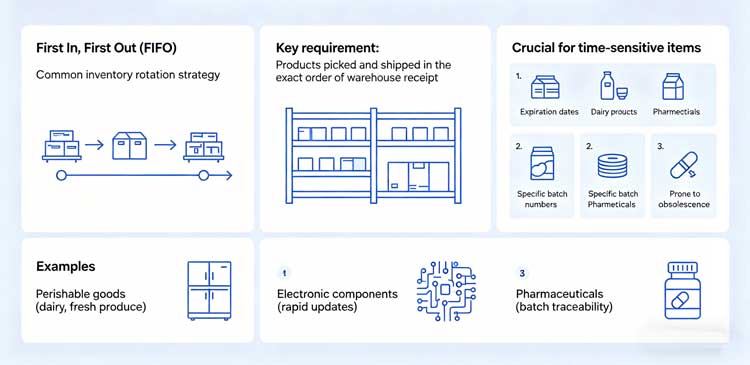
For instance, perishable goods like dairy products and fresh produce must follow FIFO to avoid spoilage. At the same time, electronic components with rapid update cycles also rely on this strategy to prevent inventory obsolescence. Additionally, goods with batch number requirements, such as pharmaceuticals, need FIFO to ensure traceability and compliance with quality control standards.
How FIFO Works
The FIFO method operates through a structured four-step process to ensure chronological inventory rotation, each step playing a key role in maintaining order:
Receiving:
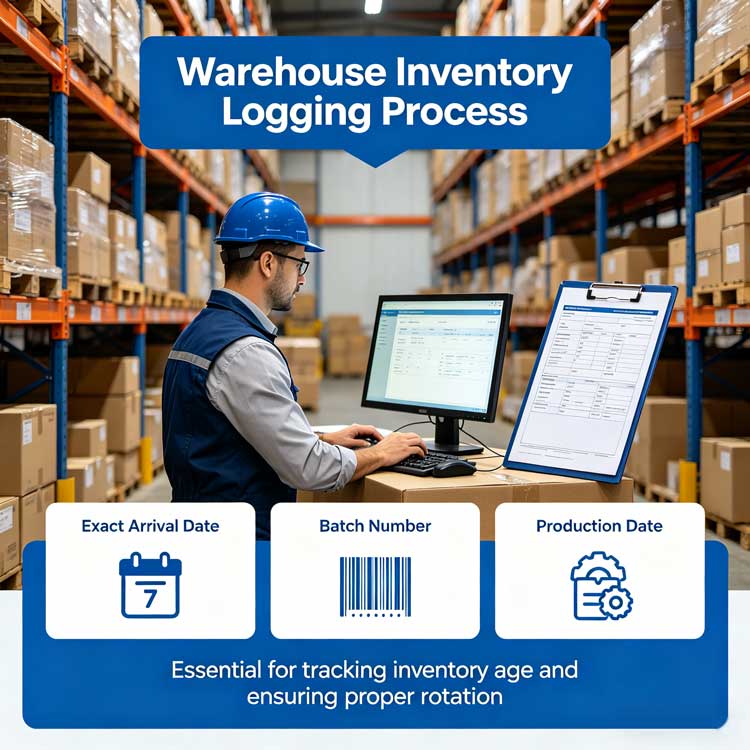
When goods arrive at the warehouse, they are carefully logged with their exact arrival dates, batch numbers, or production dates. This documentation is essential for tracking the age of inventory and ensuring proper rotation.
Storage:
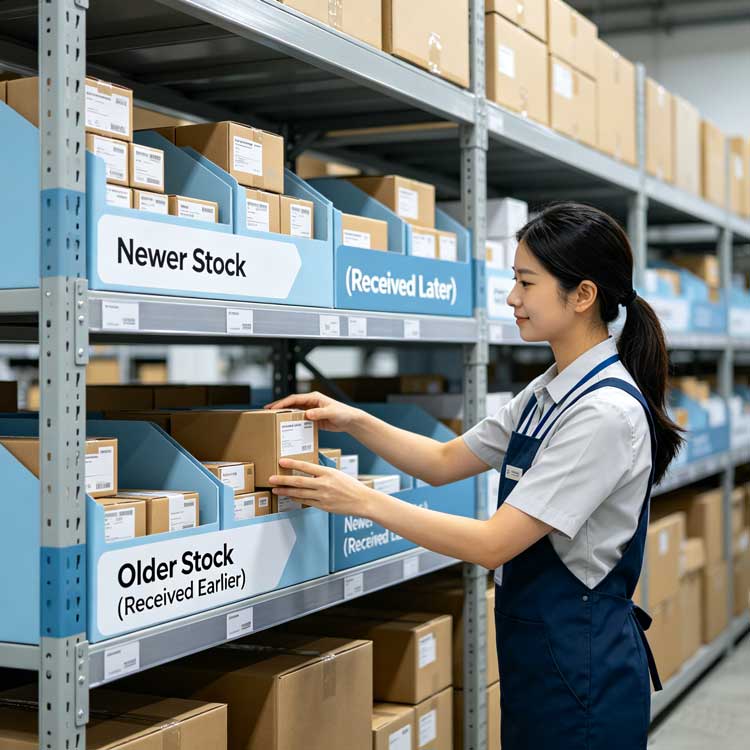
Inventory is arranged in a way that prioritizes accessibility of older stock. For example, older items may be placed on the front shelves of a rack, while newer stock is stored behind them, making it easy for staff to locate and retrieve the earliest received goods first.
Picking:
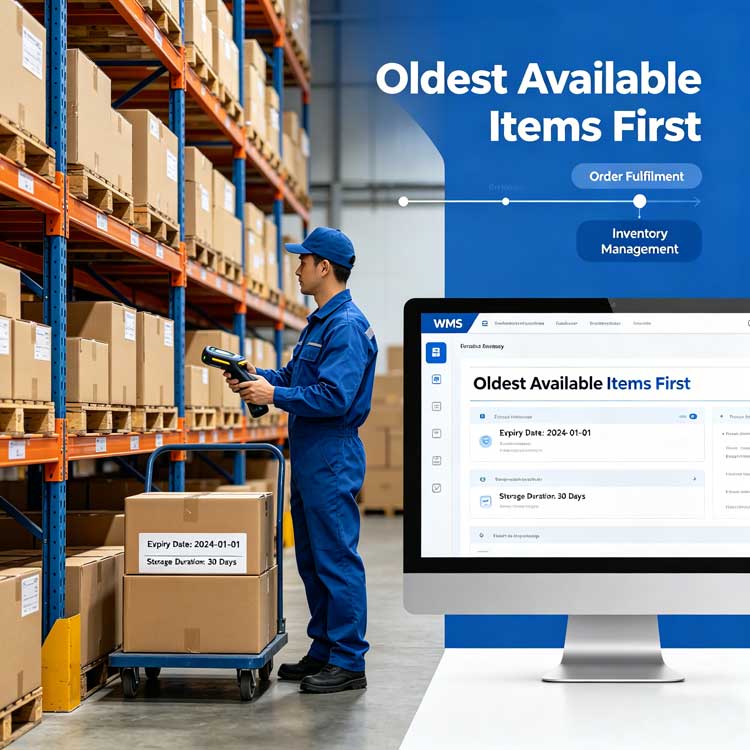
When orders need to be fulfilled, warehouse staff or warehouse management system (WMS) software will always select the oldest available items first. This ensures that goods do not sit in storage for extended periods, reducing the risk of spoilage or obsolescence.
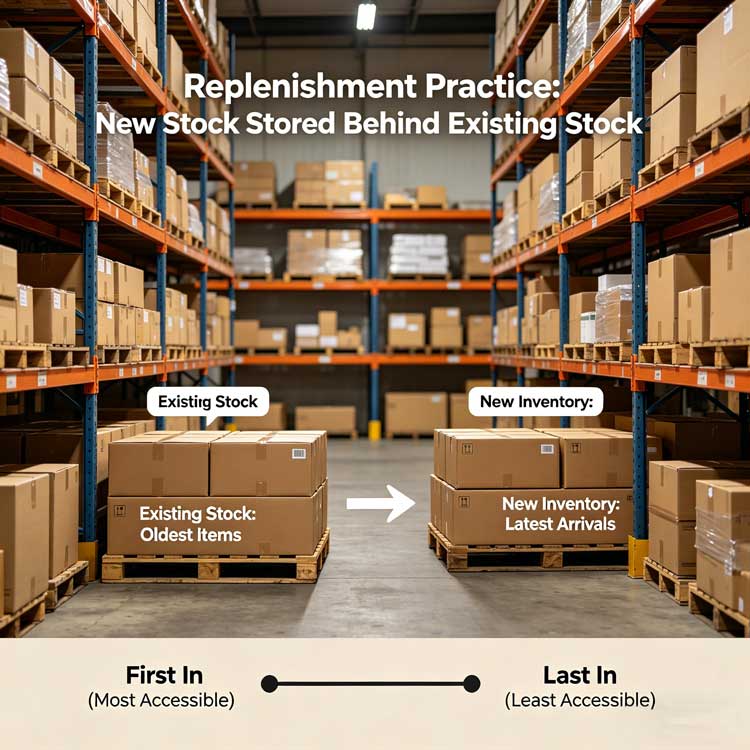
Replenishment:
As new inventory arrives, it is stored behind the existing stock rather than mixed with it. This practice preserves the chronological sequence, ensuring that the “first in” items remain the most accessible for future picking.
Example of FIFO in Action
To better illustrate how FIFO works in practice, consider the following example of three inventory batches, each with a different arrival date and corresponding dispatch priority:
Batch | Arrival Date | Dispatch Priority |
|---|---|---|
A | January 1 | First (Oldest Stock) |
B | January 10 | Second |
C | January 20 | Third (Newest Stock) |
In this scenario, when fulfilling orders, Batch A (arrived on January 1) will be dispatched first, followed by Batch B, and then Batch C. This systematic approach not only ensures smooth and organized stock rotation but also effectively prevents inventory from aging, spoiling, or becoming obsolete over time.
Key Benefits of FIFO for Warehousing Operations
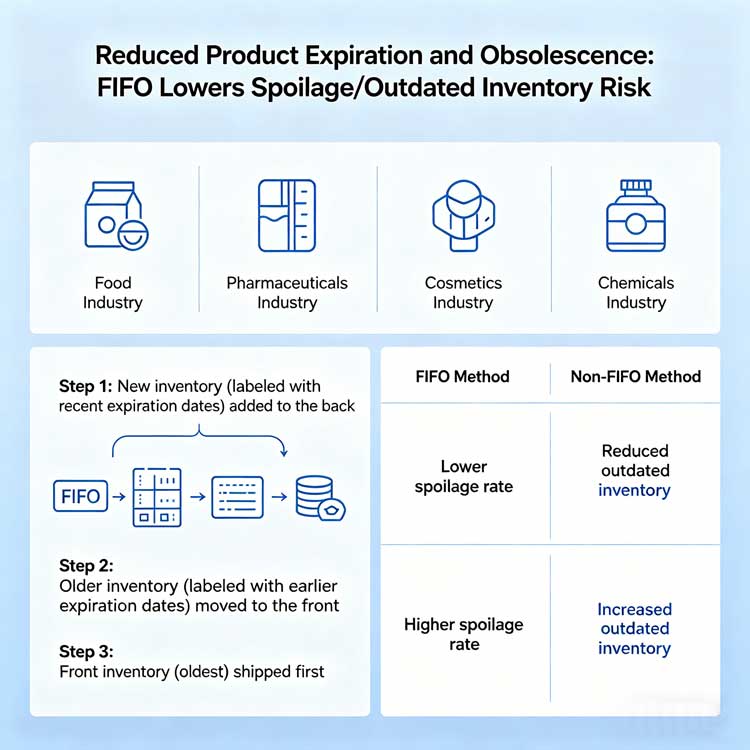
1. Reduced Product Expiration and Obsolescence
FIFO lowers the risk of spoilage or outdated inventory. This method is ideal for industries like food, pharmaceuticals, cosmetics, and chemicals.
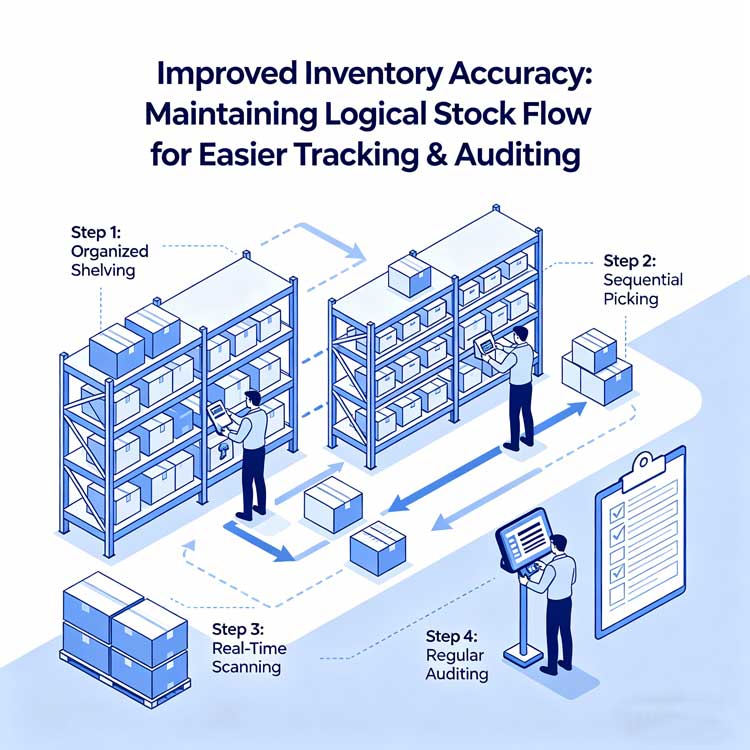
2. Improved Inventory Accuracy
Maintaining a logical stock flow makes inventory tracking and auditing easier.
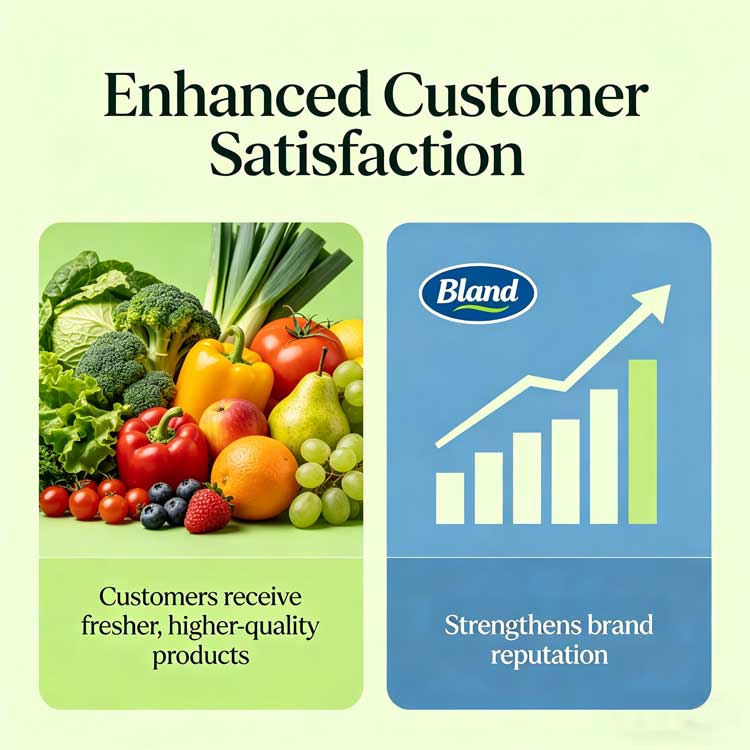
3. Enhanced Customer Satisfaction
Customers receive fresher, higher-quality products, which strengthens brand reputation.
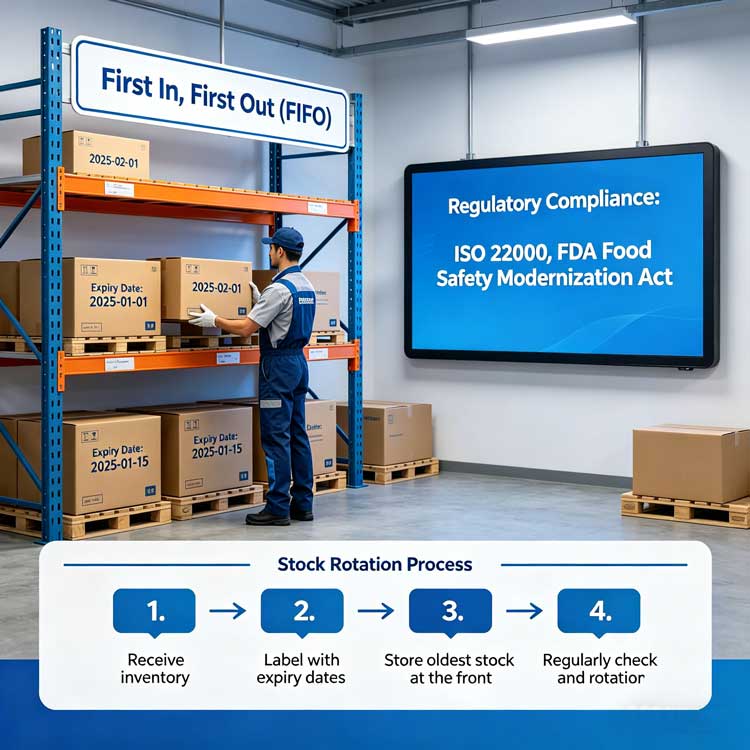
4. Regulatory Compliance
Many industries require strict stock rotation to meet safety and quality standards.
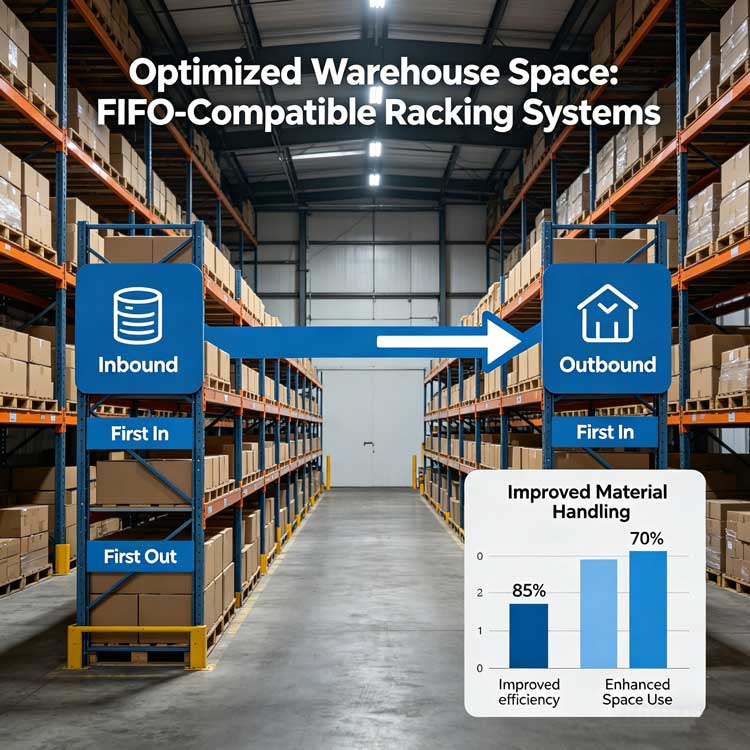
5. Optimized Warehouse Space
FIFO-compatible racking systems improve material handling and space use.
Why FIFO Matters for Your Shelving & Racking Business
As a warehouse racking manufacturer, promoting FIFO-compatible storage solutions provides valuable benefits to customers:
– Improved operational efficiency
– Enhanced product safety
– Better warehouse organization
– Increased return on investment
– Compliance with industry standards
By offering systems like pallet flow racking, longspan shelving, and gravity flow racks, your business can become a trusted partner in optimizing warehouse logistics.
FIFO vs. LIFO: Understanding the Difference
| Feature | FIFO (First In, First Out) | LIFO (Last In, First Out) |
|---|---|---|
| Inventory Flow | Oldest items shipped first | Newest items shipped first |
| Ideal For | Perishable or time-sensitive goods | Non-perishable bulk goods |
| Product Freshness | High | Lower |
| Warehouse Layout | Requires organized flow | Simpler but less controlled |
| Common Industries | Food, pharma, retail | Construction, raw materials |
Racking Systems That Support FIFO
For shelving and racking manufacturers, offering solutions that facilitate FIFO is important. Here are the most effective systems:
1. Selective Pallet Racking with FIFO Management
When used with proper warehouse procedures or WMS software, selective racks can support FIFO operations.
2. Drive-Through Racking
This system allows forklifts to enter from one side and exit from the other. It suits warehouses that need pallet-level FIFO.
3. Carton Flow Racking
Designed for smaller items and order-picking operations, this system improves picking efficiency and stock visibility.
4. Pallet Flow Racking (Gravity Flow Racks)
This system uses inclined roller tracks to move pallets automatically from the loading side to the picking side. It ensures perfect FIFO rotation and is ideal for high-density storage and cold rooms.
Industries That Benefit Most from FIFO
FIFO is vital in sectors where product quality and traceability matter:
– Food and Beverage
– Pharmaceuticals and Healthcare
– Cold Storage and Frozen Goods
– Cosmetics and Personal Care
– Chemicals
– Retail and E-commerce
Implementing FIFO in Your Warehouse
Step 1: Optimize Warehouse Layout
Create storage areas with separate inbound and outbound aisles to ensure a smooth product flow.
Step 2: Choose the Right Racking System
Select shelving or racking solutions designed to support FIFO operations.
Step 3: Use Warehouse Management Systems (WMS)
Digital tracking allows for accurate stock rotation and reduces human error.
Step 4: Train Warehouse Staff
Proper training helps ensure consistent adherence to FIFO procedures.
Step 5: Apply Clear Labeling
Use barcodes or RFID tags to track batch numbers and receiving dates.
FIFO: A Strategic Foundation for Warehouse Efficiency & Long-Term Success
FIFO (First In, First Out) is more than just an inventory term. It is a strategy that improves warehouse efficiency, ensures product quality, and supports regulatory compliance. Implementing FIFO with well-designed shelving and racking systems enables businesses to streamline operations and maximize storage performance.
For companies seeking reliable warehouse storage solutions, investing in FIFO-compatible racking systems is a key step toward long-term success.